


BPC TRADINGJOIN FREE DISCORD →
Free beginner course · 7 lessons

Learn the basics.
Build your process.

New to trading? Start here. I’ll walk you through futures, your platform, and the VWAP setups I look for—one step at a time.

START WITH LESSON 1 →

Free written lessons available now · Video lessons coming soon

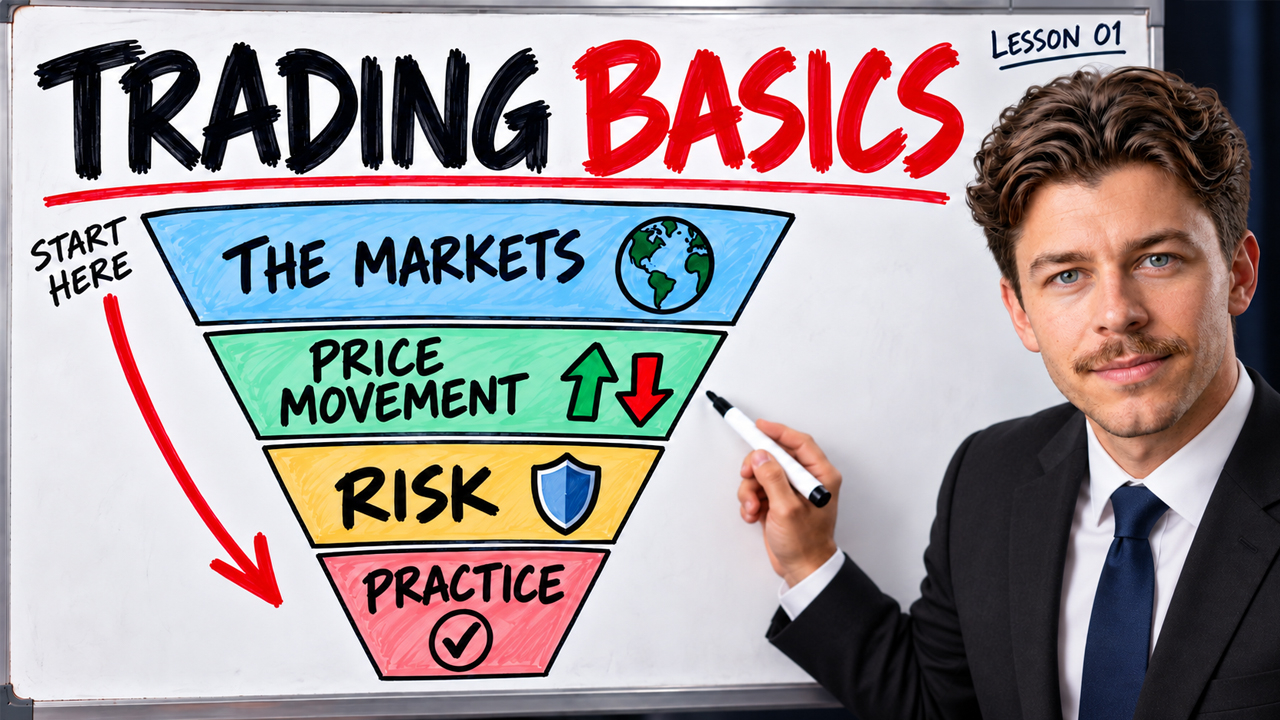
Trading basics whiteboard
LESSON 01Trading Basics

Start with price

Trading starts with understanding how price moves. Buyers and sellers interact in the market, and the chart shows the prices where trades take place over time.

Candles show the open, high, low, and close for a period. A five-minute candle represents five minutes of trading. I look at how price moves from candle to candle to understand which side is showing strength.

Risk comes first

Every trade can lose. Before thinking about the potential reward, know how much you are risking and where your idea is wrong. Start in a simulator while you learn how your platform and orders work.

NEXT: UNDERSTANDING FUTURES →
LESSON 02Understanding Futures

Contracts, ticks, and your platform

A futures contract is a standardized agreement traded on an exchange. Futures are available for markets like stock indexes and gold. Each contract has its own specifications, including a minimum price movement called a tick and a dollar value per tick.

Margin lets you control a larger contract value with less capital. That leverage increases both potential gains and losses. Check the contract, expiration, tick value, fees, and your broker’s requirements before trading.

Set up your platform

Choose the market and contract, open a chart, and find the controls for order entry, position size, and your open positions. Turn on simulated trading and confirm the account is in simulation before practicing. Platform layouts differ, so use your platform’s instructions for its specific controls.

NEXT: PLACING A TRADE →
LESSON 03Placing a Trade

Plan it before you enter

Before placing a trade, decide what you are looking for, where you would enter, where your idea is invalidated, and where you would take profit. Check your contract and quantity in the order ticket.

Know the order types

A market order seeks the next available price, which can differ from what you saw. A limit order sets a price limit, but it may not fill. A stop order can trigger an exit; the final fill is not guaranteed at the stop price.

Practice entering, changing, and closing a position in simulation. Know how your platform handles protective orders and what happens to them after a position closes.

NEXT: NEWS AND EVENTS →
LESSON 04News and Events

Know what is coming

Economic releases and central bank announcements can cause fast price movement. Before your session, check an economic calendar for the release time and the events that matter to the market you trade.

Pay attention to the time zone on the calendar. If a major release is approaching, decide how you will manage your risk before it happens. Price can move quickly and orders may fill differently than expected.

VIEW THE ECONOMIC CALENDAR ↗
NEXT: INDICATORS →
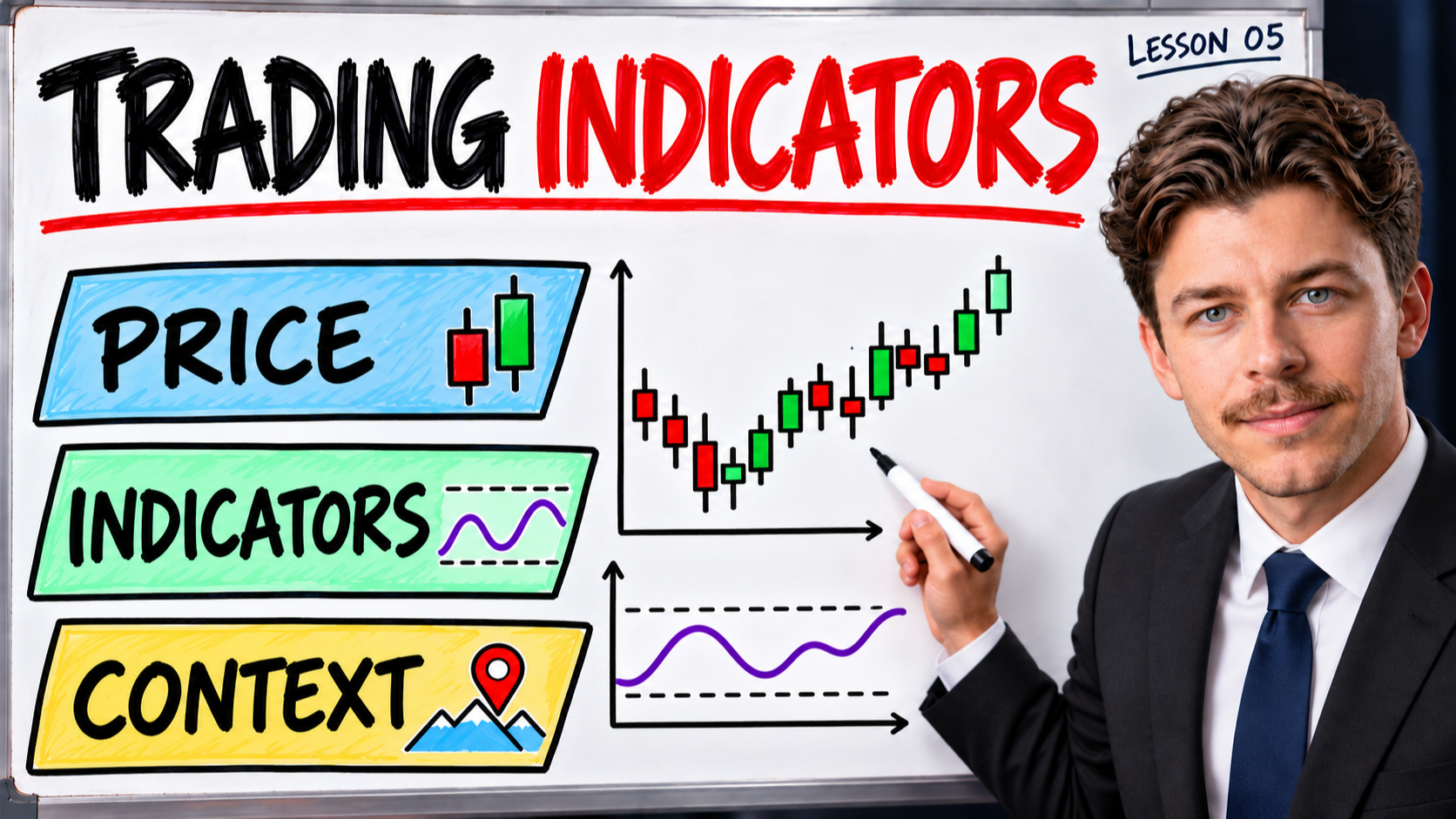
LESSON 05Indicators

Use them for context

Indicators turn market data into information you can put on a chart. Different indicators measure different things, such as average price, momentum, or volatility.

I use indicators to help me understand what price is doing. Start by learning what an indicator measures, where its settings come from, and how it behaves on your chart. Keep your chart simple enough that you can still see price clearly.

NEXT: VWAP BASICS →
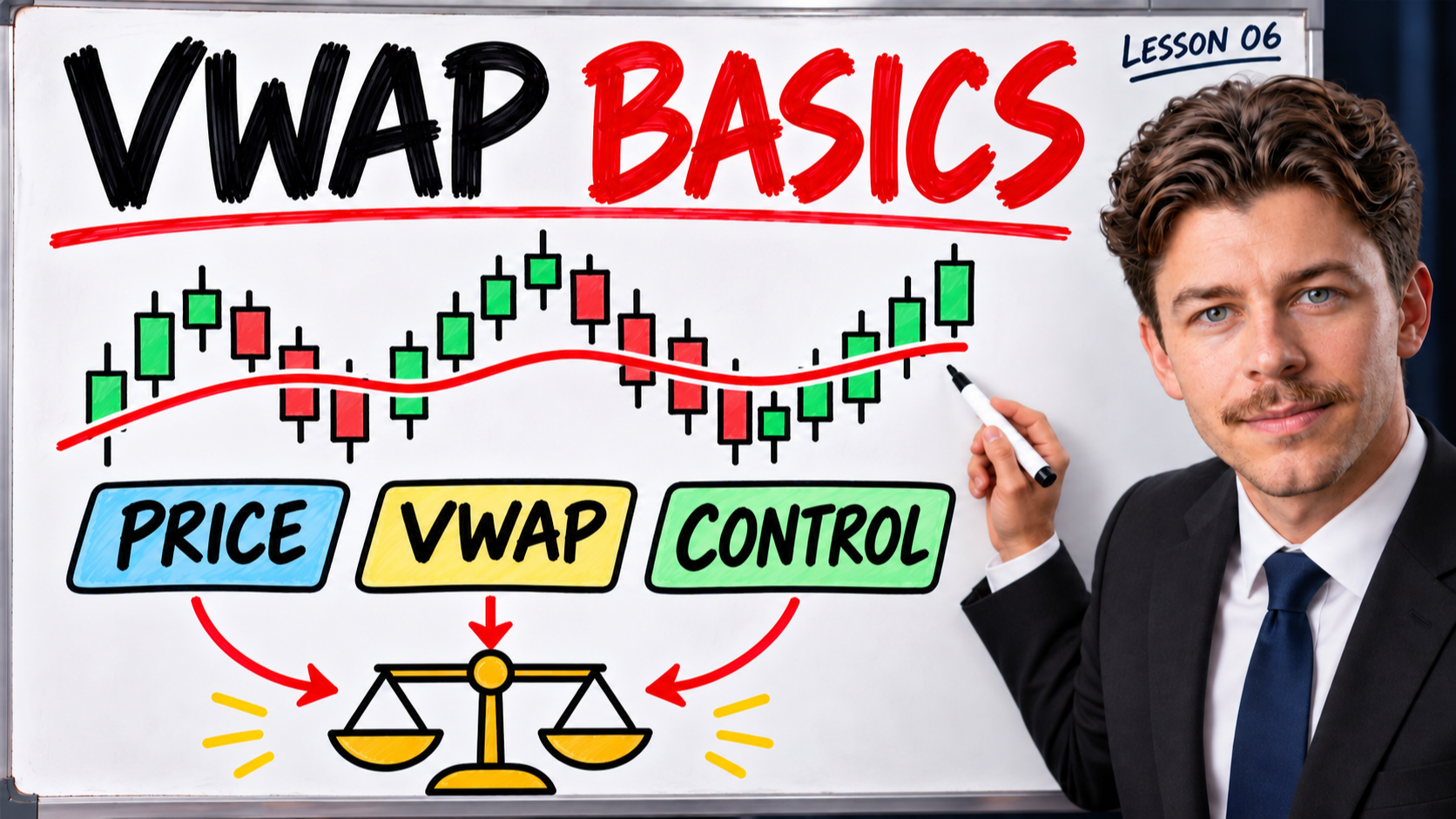
LESSON 06VWAP Basics

What is VWAP?

VWAP stands for volume-weighted average price. It combines price and volume to show an average price for the selected calculation period. Check your platform’s session and reset settings: they affect the line you see.

I use VWAP as a level to help me understand price. I look at whether price is above or below it, which side is in control, and how price reacts as it reaches the level.

OPEN THE VWAP BASICS LESSON →
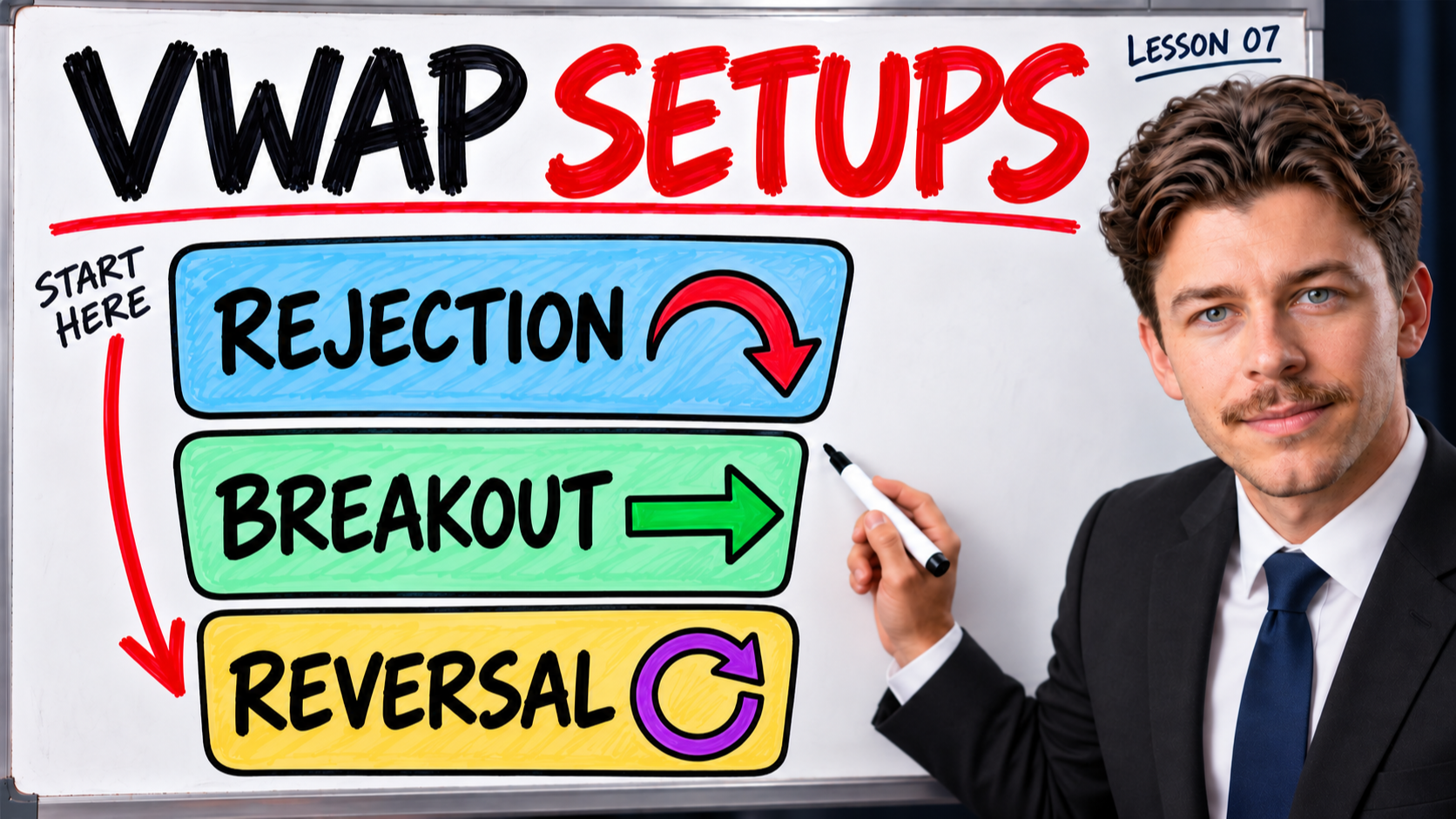
LESSON 07My VWAP Setups

Three setups I look for

VWAP rejection

I look for a strong move above VWAP, an extended pullback into the level, and a reaction in the direction of the move.

VWAP breakout

I watch for multiple tests of VWAP, failed moves away, and increasing momentum into the level. After price breaks through, I watch for a trend to develop.

VWAP reversal

When price becomes extremely disconnected from VWAP, I watch for exhaustion and a potential shift in control. An extended move can continue, so I pay attention to how buyers and sellers react.

The free VWAP Playbook has chart examples and simulated practice for all three setups.

OPEN THE FREE VWAP PLAYBOOK →
Keep learning with me

See the process in real time.

Join the free community or explore live trading with BPC Pro.

JOIN THE FREE DISCORD → EXPLORE LIVE TRADING →

BPC Pro: 7 days free, then $100/month. See checkout for terms.

Trading futures involves substantial risk of loss. Simulated results do not guarantee live results. This course is educational.

Further reading

CME: Introduction to futures · CME: Submitting an order · CME: Position size